Artist profile
About
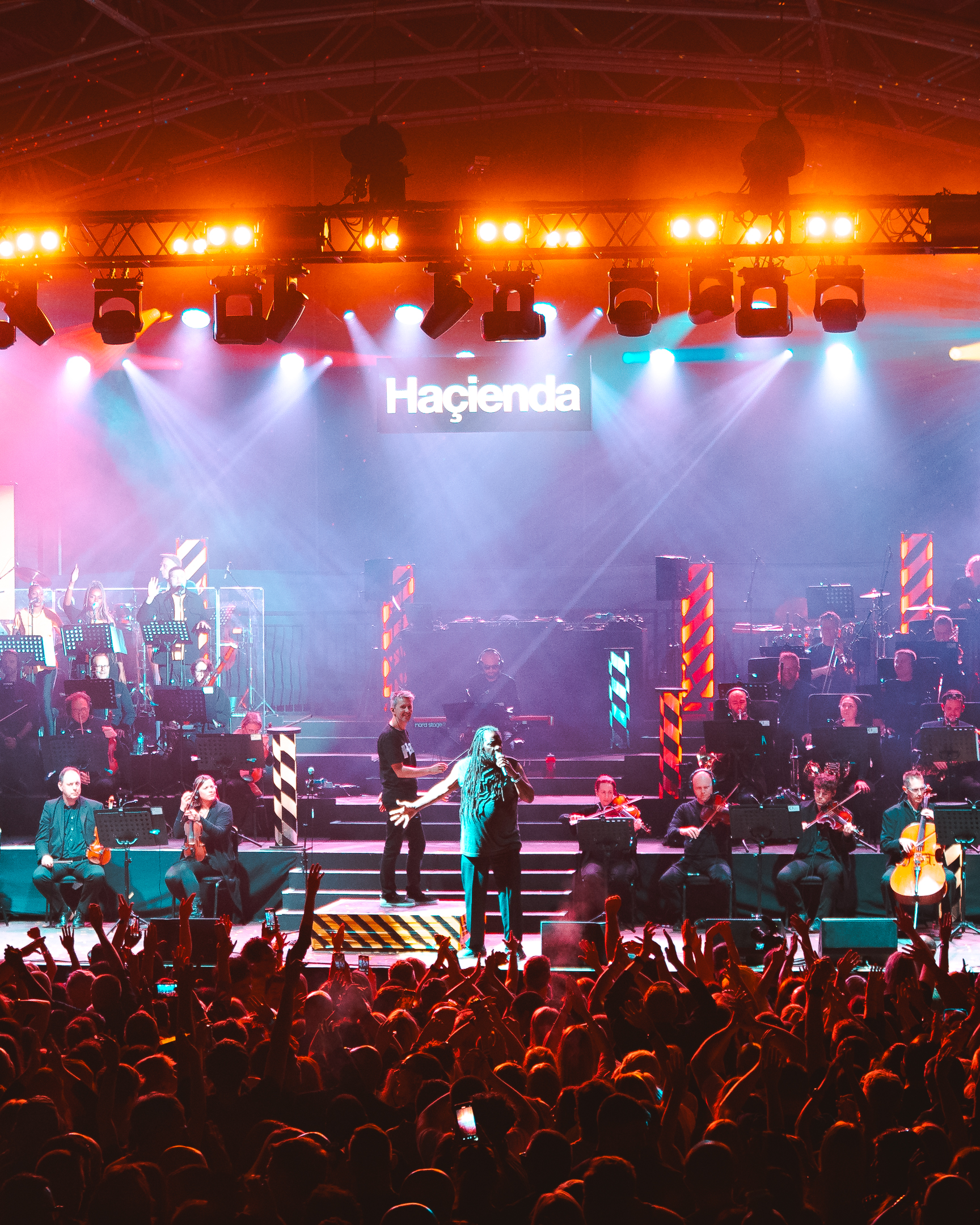
Haçienda Classical is a live orchestral dance project that carries the spirit of Manchester’s legendary Haçienda into a large-scale concert format. Resident DJ Graeme Park curates and performs a continuous mix of house and rave anthems, while Manchester Camerata supplies the orchestral force and conductor-arranger Tim Crooks reshapes the material for strings, brass, percussion and full ensemble. Vocalists, choir and guest performers expand the palette, so the project works as a single evolving performance rather than a conventional DJ set or a seated classical recital. Its repertoire looks back to the late-1980s and early-1990s records associated with the original club, but the arrangements treat those tracks as living material: familiar bass lines, piano motifs and vocal hooks are recast with symphonic weight, dynamic crescendos and the physical pulse of a rave. The project was developed by Peter Hook, Graeme Park, Mike Pickering and the wider Haçienda team, with Paul Fletcher as executive producer and manager; the creative partnership links Manchester club history to the contemporary orchestra. Since its launch, Haçienda Classical has performed sold-out shows at the Royal Albert Hall, Castlefield Bowl and The Warehouse Project, appeared at major festivals including the Isle of Wight and Kendal Calling, and opened the Pyramid Stage at Glastonbury. Its releases include the 2016 Haçienda Classiçal album credited to Graeme Park and Mike Pickering, which documents the project’s blend of electronic classics and orchestral arrangement. The sound is deliberately communal: a DJ’s pacing keeps the set moving, the orchestra supplies color and scale, and singers and choir bring the hooks back to the room. Haçienda Classical therefore functions as a collective artist identity, with the resident DJ and Manchester Camerata as named core participants rather than interchangeable backing. It honors the past without treating nostalgia as a museum piece, updating the emotional force of classic house for new audiences and new spaces. The project’s identity is rooted in Manchester, but its language is open to anyone who understands the shared lift of a great dance record.